
Where Pelvic Health Meets Orthopaedics: A Unified Approach to Physiotherapy Practice
Where Pelvic Health Meets Orthopaedics: A Unified Approach to Physiotherapy Practice
This course includes
Overview
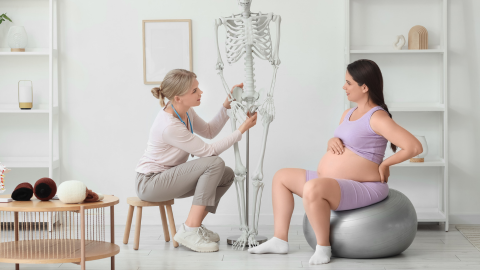
This evidence-based course explores the intersection of pelvic health and orthopedic physiotherapy, emphasizing the critical role of pelvic floor dysfunction (PFD) in musculoskeletal conditions. Presented by Jenna Scholes, a post-doctoral fellow specializing in orthopedic physiotherapy and female athlete health at the University of British Columbia, the course highlights how PFD affects not only postpartum women but also athletes, men, and individuals across the lifespan.
Participants will learn how PFD can contribute to low back pain, pelvic girdle pain, hip dysfunction, and limitations in exercise participation. The course addresses both overactive and underactive pelvic floor dysfunction, providing practical strategies for assessment, screening, and integrated management.
Through a unified, interdisciplinary approach, this course empowers physiotherapists to recognize pelvic floor involvement in orthopedic conditions, initiate sensitive conversations with patients, and implement evidence-informed interventions that improve function, recovery, and quality of life.
Learning Objectives
In this course, we will:
- Understand the overlap between pelvic health and orthopaedic physiotherapy and identify key clinical scenarios where integration can enhance patient outcomes.
- Describe the prevalence and multifactorial nature of pelvic floor dysfunction in orthopedic and athletic populations.
- Differentiate between overactive and underactive pelvic floor dysfunction and understand the implications for treatment.
- Review recent evidence supporting the importance of pelvic health in physiotherapy practice.
- Recognize common gaps in practice and strategies to bridge the silos between orthopaedic and pelvic health physiotherapy.
Audience
This course is designed for healthcare professionals who treat, assess, and support individuals with musculoskeletal conditions, including:
-
Physiotherapists and Physical Therapists managing chronic low back, hip, or pelvic pain
-
Sports Physiotherapists and Athletic Trainers working with athletes affected by PFD
-
Occupational Therapists involved in functional rehabilitation
-
Chiropractors and Manual Therapists integrating holistic musculoskeletal care
-
Rehabilitation and Long-Term Care Providers seeking to incorporate pelvic floor assessment into practice
-
Students and New Graduates interested in advancing knowledge of integrated pelvic health and orthopedic care
Clinicians completing this course will gain the knowledge and confidence to screen for PFD, initiate sensitive patient conversations, and apply integrated treatment strategies that enhance musculoskeletal and pelvic health outcomes.
Speaker Bio: Jenna Schulz

Jenna is graduate of the Masters of Physical Therapy/PhD program at Western University, where her research focused on inflammation in knee osteoarthritis. During her studies, she also competed on the Varsity Cross-Country and Track and Field teams at Western, where her interest in female athletes and endurance athletes began. After graduating, she shifted her research and clinical focus to optimizing female athlete health throughout the lifespan, including Relative Energy Deficiency in Sport, pelvic floor health and postpartum return to sport. Today, she is a postdoctoral fellow at the University of British Columbia, where her research combines her expertise in osteoarthritis and female athlete health – focusing on knee injuries in females.
Clinically, Jenna pursued a combined sport physiotherapy/postdoctoral fellowship at Fowler Kennedy Sport Medicine Clinic as the primary physiotherapist for the endurance varsity teams at Western – cross country, track & field, rowing, swimming and cheerleading. She currently works at Allan McGavin Sports Medicine Clinic in Vancouver, BC.
Outside the clinic (when not doing research), Jenna trains and competes in national-level cross country, track & field and road races, and enjoys cycling and hiking as well.
The instructors


The Orthopaedic Division of the Canadian Physiotherapy Association helps our members improve their skills and service delivery through education, resources and networking.
With a reputation built on excellent instructors and a rigorous examination process, the Division offers tailored online e-learning, webinars, workshops, courses and practice resources for members at a reasonable cost and time commitment. Members learn from other practicing physiotherapists and stay current with a regularly updated curriculum and program delivery based on providing quality and modern treatment.
Material included in this course
-
Course Materials
-
Welcome and Slides
-
The Pelvic Floor and Pelvic Floor Dysfunction
-
Common Pelvic Floor Disorders
-
Why Should We Care?
-
What Can We Do?
-
Questions
-
Summary and Key Insights
-
Knowledge Check!
-
Feedback
Is a certificate of completion included with this course?
Once you have completed the course, a certificate of completion (including learning hours and course information) will be generated. You can download this certificate at any time. To learn more about course certificates on Embodia please visit this guide.
This can be used for continuing education credits, depending on your professional college or association. If this course has been approved for CEUs in specific jurisdictions, it will be noted on the course page and CEU information may be added to your course certificate. Please read this guide for more information.
I'm a member of the Canadian Physiotherapy Association (CPA). What are the discounts available to CPA Members on Embodia?
As part of our partnership with the CPA, we offer its members discounts on courses and Embodia Memberships. Learn more about the partnership on this page.
In order for the discount to be applied, you first need to authenticate your CPA membership. This is an important step as this is how Embodia 'knows' that you are a CPA member.
To authenticate as a CPA member, please visit this page on the CPA portal.
Please note that your email address on your CPA account must match your email address on Embodia. If needed, you can update your information on Embodia as outlined in this guide.