
Embracing a Trauma-Based Approach (Part 1) with Dr. Jo Sheedy and Celia Bolton

Embracing a Trauma-Based Approach (Part 1) with Dr. Jo Sheedy and Celia Bolton
2 hours
The instructors
Overview
In this session, participants will develop an awareness of how developmental experiences and trauma negatively impact the body’s ability to regulate itself and its response to stress. Participants will learn to assess the implicit and explicit impact of trauma, learn to competently hold space for the complexity and uncertainty of trauma experiences, and learn to perform truly biopsychosocial assessments.
Instructors: Dr. Jo Sheedy and Celia Bolton
Details
-
A PDF of the slides will be available for download on this webinar page, along with any resources and recommended readings referenced during the session.
- The slides, resources, and recommended readings will also be available in the on-demand course along with the session recordings.
-
The session will be recorded and added to the Year of Mentorship course, which you can access at any time. The course also includes a discussion forum and a space to submit your homework for each session.
Part of a Year-Long Program
This session is part of Carolyn Vandyken’s Year of Mentorship program.
- Learn from Carolyn Vandyken and an esteemed international group of 12 clinical and academic leaders in pelvic health!
- 2 hours every other Thursday from January 08 - December 17, 2026 (excluding July and August)
- Monthly Office Hours on the first Sunday of every month
- A discussion forum on Embodia where you can ask questions and have meaningful discussions with participants in the program throughout the year. Participants from the 2025 cohort will be invited to join the forum.
- Throughout the year-long mentorship, you will be paired with a lab partner and will present case studies to each other.
- Bring your own partner (a colleague or friend) to each receive 25% off the program cost
Registration is available for the full program only; individual sessions cannot be purchased separately. Visit the bundle page to learn more and register.
The instructors
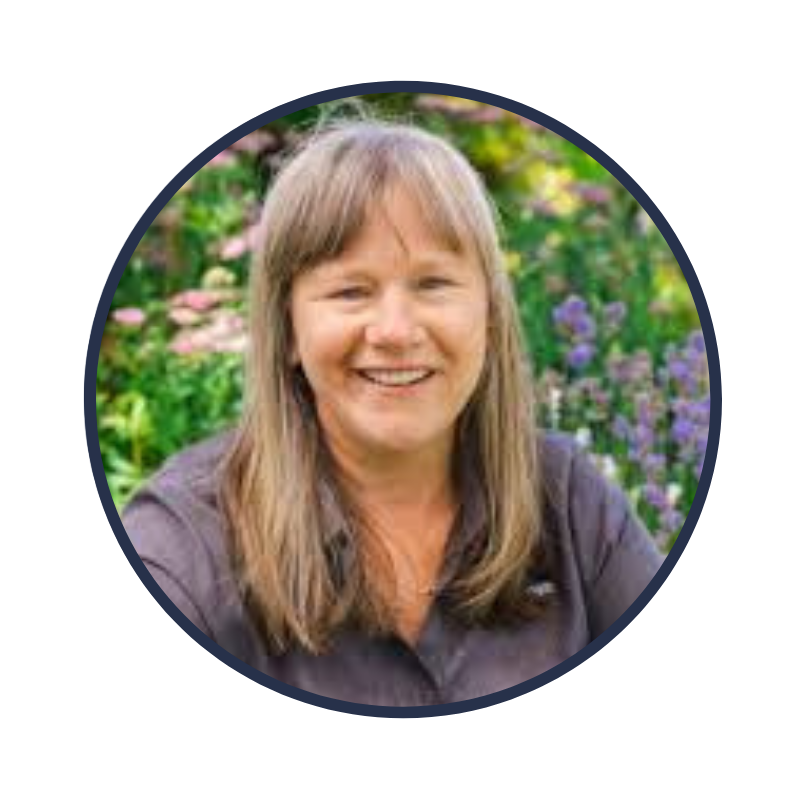
Pelvic Health Physiotherapist (Kardinia Health), Board Director (Continence Health Australia)
Celia (she/her) is the founder and director of Innerstrength Healthcare and uber driver to her teenage daughter. She graduated in 1991 and moved to the Surfcoast in 1998. She has been working in pelvic health physiotherapy since 1996. Celia has a thirst for learning and mind-body holistic care. She has studied gender studies, pelvic floor physio, exercise for women, Nature Based Therapy, Trauma Informed Care, Trauma Sensitive Mindfulness and Integrated Somatic Trauma Therapy. She practices and teaches meditation.
Celia holds a position as Director on the Board of the Continence Foundation of Australia. Celia enjoys mountain biking, running, rogaining and netball.
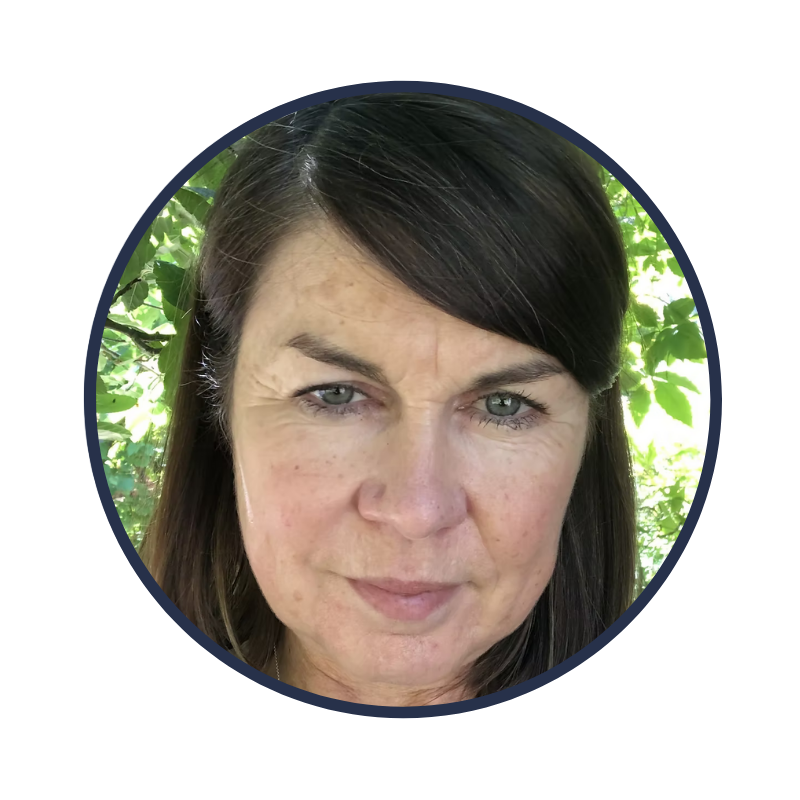
Clinical and Counselling Psychologist, PhD, MAPS
Jo is a Counselling and Clinical Psychologist who holds dual qualifications in both psychology and physiotherapy. She initially qualified in physiotherapy in 1990 and worked as a physiotherapist for many years before pursuing a passionate interest in mind-body health and retraining as a psychologist. She studied an honours degree in psychology before going on to study a Masters of Psychology/PhD through Monash University.
Jo’s PhD thesis explored psychological risk and resilience factors associated with persistent pain conditions. Jo has experience in treating a range of psychological conditions. She has a particular interest in psychological treatment of persistent pain conditions as well as trauma-related presentations. She uses evidence-based therapies to help her clients achieve meaningful and lasting change. These include cognitive-behavioural therapy, acceptance and commitment therapy, schema therapy, Eye Movement Desensitisation and Reprocessing (EMDR) and Internal Family Systems (IFS) approaches. Jo is dual endorsed in both Clincal and Counselling Psychology and is a Level 3 certified IFS practitioner. Jo provides individualised, respectful and outcomes-driven treatment.