
My Year of Mentorship 2027: Building A Practical Pelvic Health Playbook

My Year of Mentorship 2027: Building A Practical Pelvic Health Playbook
The instructors
Overview
Our overarching goal of this program is to translate current science in a biopsychosocial framework and inspire clinicians!
Building confidence in your pelvic health practice can feel overwhelming and daunting. There is so much pertinent system information (trauma, gastrointestinal, urogenital, pain system hypersensitivity, hormonal) and terminology to learn. Assessment and treatment occur within a private office setting so getting feedback from other clinicians can be a challenge.
Contemporary evidence-informed PT care requires a more flexible care approach where clinician confidence that the body is not “broken” or “dysfunctional” is paramount to helping people with persistent pelvic health symptoms. Lifestyle approaches within a biopsychosocial framework have best-evidence support to provide sustainable changes, yet most physiotherapists are quite uncomfortable in this realm.
This year of learning and mentoring will focus on breaking down the knowledge and skills required in pelvic health into digestible pieces based on systems and processes. It will be very practical!
You will have a partner and a community within which to grow and accelerate your skill building! After the year is finished, you will always have access to this community to ask questions and continue to grow in your knowledge and skills. This special community will help you grow well beyond this year of mentoring.
The goal is to create solid and actionable skills that are easier to apply in a busy clinical practice.

Feel less overwhelmed, experience less burnout and bring more joy into your practice.

Resources that help support your clinical biopsychosocial approach will be available for each module depending on the instructor.
Learning Objectives
At the end of the My Year of Mentoring, clinicians will:
- Understand that trauma should be considered a universal precaution in pelvic health.
- Develop a solid understanding of polyvagal theory and the use of a trauma-informed lens, keeping yourself and your clients emotionally safe.
- Be able to utilize the brand-new 3PSQ (Persistent Pelvic Pain Questionnaire) as an easier entry point to screening psychosocial distress in every patient.
- Understand a new framework proven in LBP called the Fit-for-Purpose Model and apply it to pelvic health.
- Understand how to develop tools that bridge the gap between theoretical knowledge and clinical application in a biopsychosocial framework.
- Understand the theoretical underpinnings of the Fremantle Perineal Awareness Questionnaire and how to integrate sensory-motor dysregulation into clinical practice for persistent pain.
- Utilize a framework called RAMS (Restore, Activate, Mobilize and Strengthen) to simplify exercise prescription.
- Understand period pain and endometriosis through a biopsychosocial lens.
- Understand the management of gut issues through a biopsychosocial rehab lens.
- Understand the appropriate use of pessaries in clinical practice.
- Develop skills in using telehealth strategies to broaden your clinical impact.
- Develop a deep understanding of the current evidence-based knowledge in the assessment and treatment of male post-prostatectomy incontinence.
- Develop a deep understanding of pregnancy-related pelvic girdle pain from a system/lifestyle perspective instead of a biomechanical lens.
- Integrate pain science education into childbirth preparation for labor and delivery.
- Develop a deep appreciation for self-care to manage clinician burnout.
- Continually evolve and appreciate the changing landscape of pelvic health within a Salutogenesis model. This model asks the question, “what keeps people healthy?” instead of “what makes people sick?”.
Here's what a past participant of the program had to say about their experience:
I recently completed a full year of advanced mentorship with a team of world-renowned, international physiotherapists, and it has been the most valuable continuing education experience of my career. The program offered an exceptional blend of structured readings, monthly office-hour support, and expert guidance across a wide range of topics, including pelvic health, pain science, and trauma-informed care.
The mentorship provided a depth of learning and professional growth that far exceeded my expectations. Each mentor brought a unique perspective and skill set, creating a rich, supportive environment that challenged my clinical reasoning and elevated my practice. I left the program feeling more confident, grounded, and aligned in the way I support my patients.
I am deeply grateful for this experience and highly recommend it to any clinician looking to expand their knowledge and enhance their therapeutic approach.
Alex Hale, PT
Registered Physiotherapist
Pelvic Health and Paediatric Therapist
Instructors
This international group of clinical and academic leaders in pelvic health have been hand-picked because of their role in academia, publishing papers, and/or clinical practice expertise. Every instructor has been well-steeped in a biopsychosocial model for at least a decade. We are walking the walk!
Instructors include:
- Dr. Sinead Dufour (Canada)
- Dr. Judith Thompson (Australia)
- Shan Morrison (Australia)
- Corina Avni (South Africa, PhD candidate)
- Jilly Bond (Wales, PhD candidate)
- Jill Mueller (Canada)
- Renee Quiring (Canada)
- Ibbie Afolabi (Canada)
- Dr. Malgorzata Prosperpio-Starzec (Poland/Canada)
- Shelly Prosko (Canada)
- Celia Bolton (Australia)
- Dr. Jo Sheedy (Australia)
This group of beautiful and amazing women will be joined by Carolyn Vandyken (Canada) as she leads this Year of Mentees on one of the best journeys of their careers!
Won’t you join us? Your patients will thank you!
Listen to What a Past Participant Has to Say about the Program!
After a year of mentorship with Carolyn Vandyken, pelvic health practitioner Christine Davies says she went from a rigid, plan-driven clinician to one who can adapt session by session, whatever the person in front of her needs.
Dates
The 2nd and 4th Thursday of every month, starting January 14th and finishing December 16th, 2027. Each session will be 2 hours long from 7-9 PM ET. They will be recorded and available for the remainder of the year on Embodia so that you can watch the sessions again if you want to review the information again, or if you could not make it live to the class.
The program will stop for summer break in July and August.
The overall time commitment is 5-6 hours per month which includes some self-reflection homework and some partner work.
Registration
Registration opens in three pricing tiers. As each tier fills, we move to the next, so the earlier you register, the better the price:
Early tier: CAD $999 (first 20 seats)
Mid tier: CAD $1,099 (next 25 seats)
Final tier: CAD $1,199 (final 30 seats)
This year's cohort welcomes up to 75 practitioners. If you know you want in, register early. Once a tier sells out, pricing moves up for everyone who registers after.
Registration closes January 28, 2027 at 5:59PM EST
Partner Work
Learning alongside a partner is a core part of this program. If you're joining with a colleague or friend, you'll each save 25%, applied to the pricing tier that's active when you register together. Just email support@embodiaapp.com with both your names and email addresses, and we'll send you a unique code at checkout.
Don't have a partner? No problem. We'll pair you with someone in your time zone. Throughout the year, you'll complete partner work together, along with some self-reflection homework.
Forum
There will be a forum on Embodia for asking questions throughout the year. Last year’s participants will also be invited to participate in the forum and will be able to provide perspective and case study answers based on skills they have developed in the program to date.
The vision for this forum is to have a group of strong, likeminded clinicians who are striving to translate the evidence into clinical practice on an ongoing basis. We are looking to develop a tribe of biopsychosocial clinicians with a safe space to encourage and explore.
The Program at a Glance
Below is an outline of the live bi-monthly sessions. Each session will be 2 hours long from 7-9 PM ET.
- January 14 Embracing a Trauma-Based Approach (Part 1) Dr. Jo Sheedy and Celia Bolton
- January 28 Embracing a Trauma-Based Approach (Part 2) Dr. Jo Sheedy and Celia Bolton
- February 11 Introducing a Brand-New Tool (3PSQ) for Simplifying Distress Screening in a Biopsychosocial Pelvic Health Assessment Dr. Judith Thompson
- February 25 Journeys Part 1: Why is a BPS Approach so Difficult to Put into Practice Carolyn Vandyken
- March 11 Journeys Part 2: The Pelvic Health Physical Exam Carolyn Vandyken
- March 25 Journeys Part 3: Exercise Prescription in Pelvic Health Carolyn Vandyken
- April 8 Pelvic Health and Chronic Overlapping Pain Conditions Corina Avni
- April 22 Lifestyle Medicine for Pelvic Health Dr. Sinead Dufour
- May 13 Researching the FrePAQ: Understanding Sensory-Motor Dysregulation in Pelvic Health Jilly Bond
- May 27 Telehealth: Using the Power of Telemedicine to grown your BPS Pelvic Health Practice Dr. Sinead Dufour
- June 10 A BPS Approach to Endometriosis Care Jill Mueller
- June 24 How to Craft a Pleasurable Stool Renee Quiring
- Off July and August
- September 9 Applying Frameworks, Principles and Goal Setting in Clinical Practice Shan Morrison
- September 23 Evidence without the Headache: A Clinician’s Survival Guide. Dr. Malgorzata Starzec-Prosperpio
- October 7 Using Pain Neuroscience Education in Labour and Delivery Ibbie Afolabi
- October 21 Achey but not Breaky: Pregnancy-related Pelvic Girdle Pain Meets Pain Science
- November 4 (M)ovember Part 1: Male Pelvic Health in Post-Prostatectomy Incontinence Shan Morrison
- November 18 (M)ovember Part 2: Male Pelvic Health in Post-Prostatectomy Incontinence Shan Morrison
- December 2 To Pessary or Not: That is the Question Renee Quiring
- December 16 Learning and Serving without Burning Out: Reframing Self-Care for the Clinician Shelly Prosko
Here's what a past participant of the program had to say about their experience:
I have found this year to be tremendously helpful. As a Mom of 2 with a husband that travels a lot for work, I find continuing education can be challenging to fit in. This format gave me flexibility to attend when I could, or get to it when I could. I also believe the short segments facilitates learning and retention of material in comparison to a weekend course.
You are tremendously supportive. I also found having access to you with office hours great. It gave me an opportunity to reflect on challenging cases.
Brittany Klingmann, MPT, BSc Kin, CAFCI, CF-L1
Registered Physiotherapist
What's Included
- Live sessions: join twice a month; attending live is encouraged but never required
- Full-year access to recordings: every session stays available for the rest of the program year
- Monthly office hours: two live clinical Q&A sessions each month, one timed for North America and one for Europe/South Africa, with recordings available afterward
- Downloadable resources: slides and supporting materials from every session
- Patient education tools: handouts and infographics you can bring straight into your practice
- Session summaries: a written summary and key insights from every session
- Discussion forum: ask questions and connect with the cohort, and past participants, all year
Register Now
We're currently accepting registrations in our earliest tier, at CAD $999. Once those 20 seats fill, pricing moves to the mid tier.
Questions? Email support@embodiaapp.com. We're happy to help!
This is a bundle that includes access to the following webinars:
-
Embracing a Trauma-Based Approach (Part 1)
Jan 14, 2027 - 19:00 (EST) (Part of a bundle) -
Embracing a Trauma-Based Approach (Part 2)
Jan 28, 2027 - 19:00 (EST) (Part of a bundle) -
Introducing a Brand-New Tool (3PSQ) for Simplifying Distress Screening in a Biopsychosocial Pelvic Health Assessment
Feb 11, 2027 - 19:00 (EST) (Part of a bundle) -
Journeys: Part 1. Why is a Biopsychosocial Framework so Difficult to Put into Practice?
Feb 25, 2027 - 19:00 (EST) (Part of a bundle) -
Journeys: Part 2: The Pelvic Health Physical Examination
Mar 11, 2027 - 19:00 (EST) (Part of a bundle) -
Journeys: Part 3: Exercise Prescription in Pelvic Health
Mar 25, 2027 - 19:00 (EDT) (Part of a bundle) -
Pelvic Health and Chronic Overlapping Pain Conditions
Apr 8, 2027 - 19:00 (EDT) (Part of a bundle) -
Lifestyle Medicine for Pelvic Health
Apr 22, 2027 - 19:00 (EDT) (Part of a bundle) -
Researching the FrePAQ: Understanding Sensory-Motor Dysregulation in Pelvic Pain
May 13, 2027 - 19:00 (EDT) (Part of a bundle) -
Telehealth: Using the Power of Telemedicine to Grow your Biopsychosocial Pelvic Health Practice
May 27, 2027 - 19:00 (EDT) (Part of a bundle) -
How to Craft a Pleasurable Stool
Jun 10, 2027 - 19:00 (EDT) (Part of a bundle) -
A Biopsychosocial Approach to Endometriosis Care
Jun 24, 2027 - 19:00 (EDT) (Part of a bundle) -
Applying Frameworks, Principles and Goal Setting in Clinical Practice
Sep 10, 2027 - 19:00 (EDT) (Part of a bundle) -
Evidence Without the Headache: A Clinician’s Survival Guide
Sep 23, 2027 - 19:00 (EDT) (Part of a bundle) -
Using Pain Neuroscience Education in Labour and Delivery
Oct 7, 2027 - 19:00 (EDT) (Part of a bundle) -
Achey but not Breaky: Pregnancy-related Pelvic Girdle Pain Meets Pain Science
Oct 21, 2027 - 19:00 (EDT) (Part of a bundle) -
(M)ovember Part 1: Male Pelvic Health in Post-Prostatectomy Incontinence
Nov 4, 2027 - 19:00 (EDT) (Part of a bundle) -
(M)ovember Part 2: Male Pelvic Health in Post-Prostatectomy Incontinence
Nov 18, 2027 - 19:00 (EST) (Part of a bundle) -
To Pessary or Not to Pessary: That is the Question
Dec 2, 2027 - 19:00 (EST) (Part of a bundle) -
Learning and Serving without Burning Out: Reframing Self-Care for the Clinician
Dec 16, 2027 - 19:00 (EST) (Part of a bundle)
The instructors
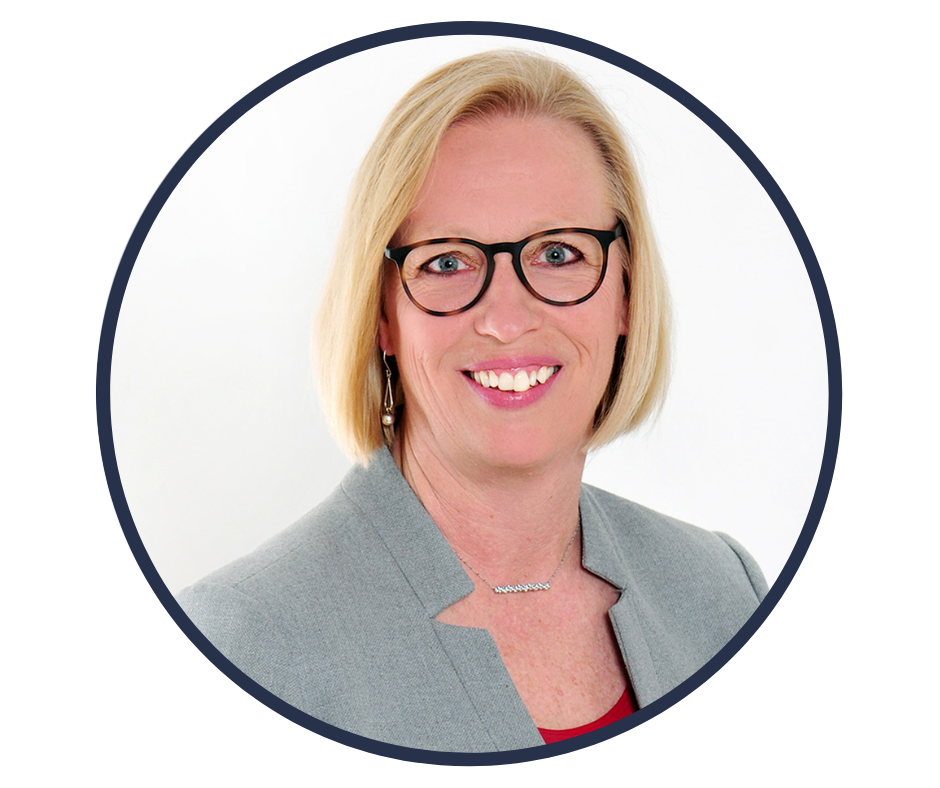
BHSc (PT), CredMDT, CCMA
Carolyn is the co-owner of Reframe Rehab, a teaching company engaged in breaking down the barriers internationally between pelvic health, orthopaedics and pain science. Carolyn has practiced in orthopaedics and pelvic health for the past 37 years. She is a McKenzie Credentialled physiotherapist (1999), certified in acupuncture (2002), and obtained a certificate in Cognitive Behavioural Therapy (CBT) in 2017.
Carolyn received the YWCA Women of Distinction award (2004) and the distinguished Education Award from the OPA (2015). Carolyn was recently awarded the Medal of Distinction from the Canadian Physiotherapy Association in 2021 for her work in pelvic health and pain science.
Carolyn has been heavily involved in post-graduate pelvic health education, research in lumbopelvic pain, speaking at numerous international conferences and writing books and chapters for the past twenty years in pelvic health, orthopaedics and pain science.